
CDL 100
Celebrating 100 years of the Child Development Lab
The Child Development Lab (CDL) is celebrating 100 years of research, teaching and learning to support thriving children and families.
Join us in celebrating at these special events.
Events

Wednesday, Sept 30, 2026 – Sunday, Feb. 28, 2027
The Science of Human Thriving: Celebrating 100 Years of the Child Development Lab
Nancy M. Bruce Center for Design and Material Culture
Research and design shape the spaces where children play, learn, and explore. Visitors are invited into the world of the Child Development Lab throughout its first 100 years, with a focus on the research that takes place at every level in support of the social, emotional, and educational development of UW–Madison’s youngest students. Interactive displays highlight research on media engagement and early relational health, mindfulness, the power of play and nature, and inquiry-based learning. Related programs include Art Lab! Making with Linda and Money Magic: Read Aloud with Quentin and Quinlan.
Saturday, October 17, 2026
Celebrating 100 Years of the UW Child Development Lab: Building the Future & Honoring the Past
School of Human Ecology/Nancy Nicholas Hall
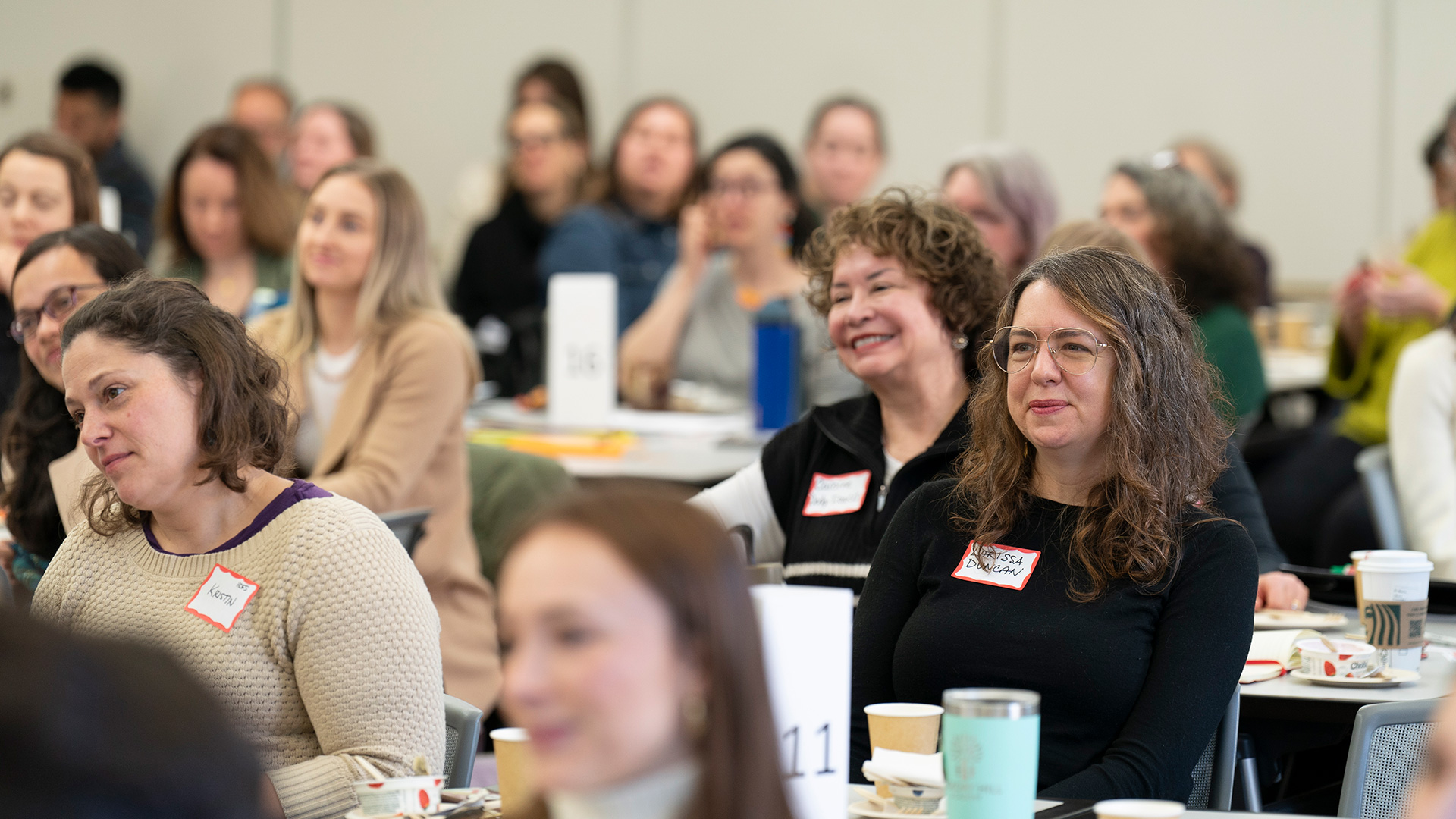
We’re thrilled to come together to celebrate 100 years of the Child Development Lab (CDL) and its leading role in supporting the social, emotional, and educational development of UW–Madison’s youngest students. All CDL families, teachers (past and present), student staff/interns, as well as our campus partners are invited to attend this joyful, family-friendly event featuring activities, birthday treats, Babcock ice cream, and a UW Band performance.
Monday, November 16, 2026
Healthy Start for All, a RISE-THRIVE workshop for faculty
School of Human Ecology/Nancy Nicholas Hall
We’re excited to convene faculty from across campus whose research and scholarship focuses on thriving from prenatal through early childhood, as well as the impact of early years on later life. The initiative – Healthy Start for All – is jointly led by Deans Nita Ahuja (School of Medicine and Public Health), Marcelle Haddix (School of Education), and Soyeon Shim (School of Human Ecology) in partnership with the Office of the Vice Chancellor for Research and RISE-THRIVE campus headquarters. This workshop connects faculty with complementary expertise to identify opportunities for research collaborations.

Thursday, May 13 and Friday, 14, 2027
Essential Connections: A Research Symposium on Early Relational Health
Wisconsin Institute for Discovery – at UW–Madison
Safe, stable, and nurturing relationships in infancy and early childhood are essential for healthy growth throughout the lifespan. Helping children thrive from the very beginning requires innovative approaches to studying early relationships, and novel insights about the constantly changing circumstances and experiences of modern families and their young children. This symposium will build upon and extend foundational work in early relational health to showcase new directions for studying and supporting contemporary caregivers and their young children.
Save the date: May 13-14, 2027
Research
The Child Development Lab provides students and faculty with opportunities for discovery in areas like relationships, well-being, and innovation in early care environments. By helping generate knowledge and training emerging researchers, we’re advancing developmental science while improving the everyday lives of children and families.


Teaching & Learning
Students from across campus benefit from the unique learning experiences offered at the Child Development Lab, including the opportunity to observe children in a natural setting (high quality child care center), hands-on class assignments and guest lectures, mentoring, internships, and more.
History & Legacy
The Child Development Lab was established on the UW–Madison campus in 1926 as the first laboratory preschool of its kind in Wisconsin and one of the first in the U.S. Founded by Home Economics scholars who recognized that healthy relationships are central to children’s healthy futures, it began as a cooperative nursery program where students and researchers could observe child development firsthand.
Over the past century, the CDL has evolved into a nationally recognized early childhood program integrating research, teaching, and practice, serving children from infancy through preschool while advancing knowledge of how they learn and grow. Through decades of expansion, its original purpose remains unchanged, linking science and practice to improve the lives of children and families, a legacy that continues to shape the field of early relational health today.

Stories

The Child Development Lab at 100: Celebrating a legacy of helping children and families thrive
The Child Development Lab (CDL) was founded 100 years ago by parents and home economics scholars. Since then, its teachers have nurtured thousands of children, scholars have developed groundbreaking research, and countless students have received meaningful training and other learning experiences.

Early relationships are key to thriving kids — and lifelong health
Relationships are the biological foundation of child development, and healthy and stable bonds create the best conditions for learning and growth from birth to age five. Read about how simple actions like playing, singing and reading together lead to moments of connection, promoting a young child’s flourishing and buffering against difficult experiences.

Studying Kids in the Wild
The Child Development Lab offers a rare chance to observe young students in a real-life setting. In one capacity, it serves as a high-quality childcare center. In another, it’s a place where students and faculty can involve children in creative studies that advance the field of child development. Faculty Director Heather Kirkorian, the Laura M. Secord Chair in Early Childhood Development, has conducted influential studies at the lab with the adorable cohort she calls “the kiddos.”
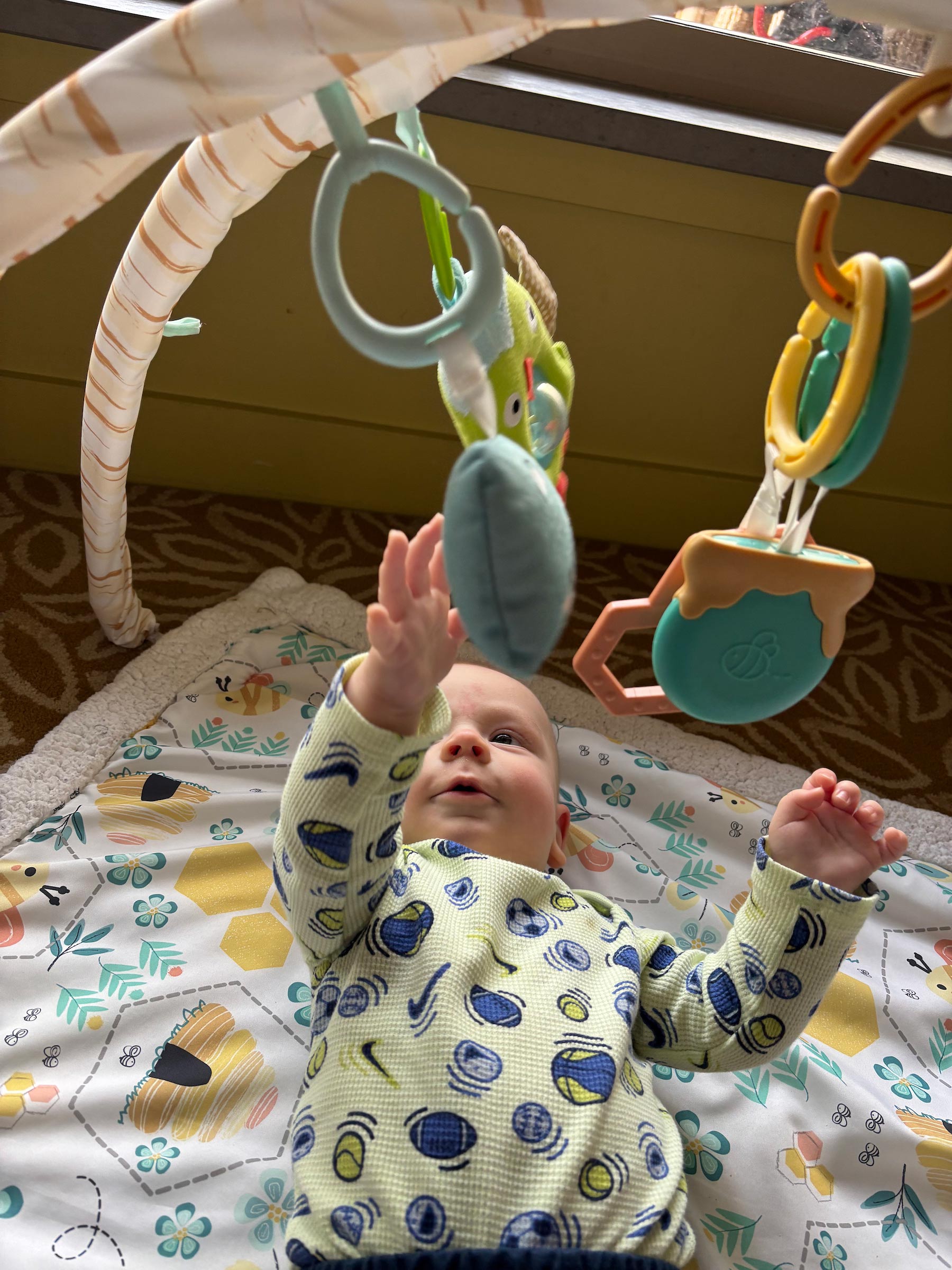
Where your child can thrive
Join a welcoming community where children feel safe, supported, and inspired to grow — guided by UW–Madison expertise.