
Daily Routine
Built for relationships, not just schedules
Every day at the Child Development Lab (CDL) is shaped by teachers who truly know your child — their rhythms, their interests, what helps them feel at home. This kind of attention is built into our structure.
Our mixed-age classrooms let children learn alongside peers at different stages, building patience, empathy, and friendships that grow with them.
A typical day
Predictable enough to feel safe. Open enough to follow curiosity.
Each day has a familiar shape — children always know what’s coming next. Within that structure, there’s room for exploration, creativity, and play.

7:30 AM
Arrival and connection
A warm greeting from teachers who know your child. Families share a quick morning update.

8:30 AM
Morning exploration and snack time
Building, painting, reading, experimenting. Teachers observe and support children’s thinking.

10:00 AM
Outdoor play
Time on the natural playground or a walking trip to “The Beyond” — the CDL’s outdoor spaces on the UW–Madison campus.

11:30 AM
Lunch together
Family-style meals shared with teachers and classmates.

12:30 PM
Rest and quiet time
Children 2+ rest on a cot for 30 minutes. If they’re not tired, they’re invited to read or enjoy quiet activities.

2:00 PM
Afternoon exploration and snack time
Creative projects, storytelling, music, movement, or more time outside.

4:00 PM
Pick-up and family connection
Teachers share real highlights from your child’s day — not just “it went fine.”
Outdoor learning
Every day outside.
A place called “The Beyond.”
Outdoor learning isn’t a break from the day — it’s part of it. Children play outside every day, weather permitting, both on our natural playground and on walking trips to “The Beyond”: a collection of natural outdoor spaces woven into the UW–Madison campus.
Children dig in sand, observe insects, collect sticks and stones, tend to gardens, and explore trees and birds — right in the heart of an urban university. These aren’t field trips. They’re a regular part of how children at the CDL come to understand the world.


How children learn
Play is the work. Teachers are the guides.
Children choose where to go and how long to stay. A child building a tower that keeps falling is practicing engineering. A child negotiating a role in dramatic play is doing some of the most complex social work of early childhood. Teachers see all of it and know how to support it without taking it over.

Intentionally designed classrooms
Every classroom is designed so every child always has a space that fits how they need to be right now.
Classrooms are divided into learning centers or areas which include:
- Dramatic play and pretend play areas
- Blocks and large motor
- Creative art
- Music and movement
- Manipulatives and math
- Discovery science and sensory
- Language and literacy
Age groups
Every stage, thoughtfully supported

INFANTS · 6 WEEKS – 12 MONTHS
Held and heard.
Quickly responded to.
Teachers spend the day holding, talking with, and closely reading each infant, building secure attachments that everything grows from.

TODDLERS · 1 – 3 YEARS
Eager to explore.
Ready to try.
Climbing, building, big emotions, early friendships. Consistent routines help toddlers feel confident as they discover what they can do.
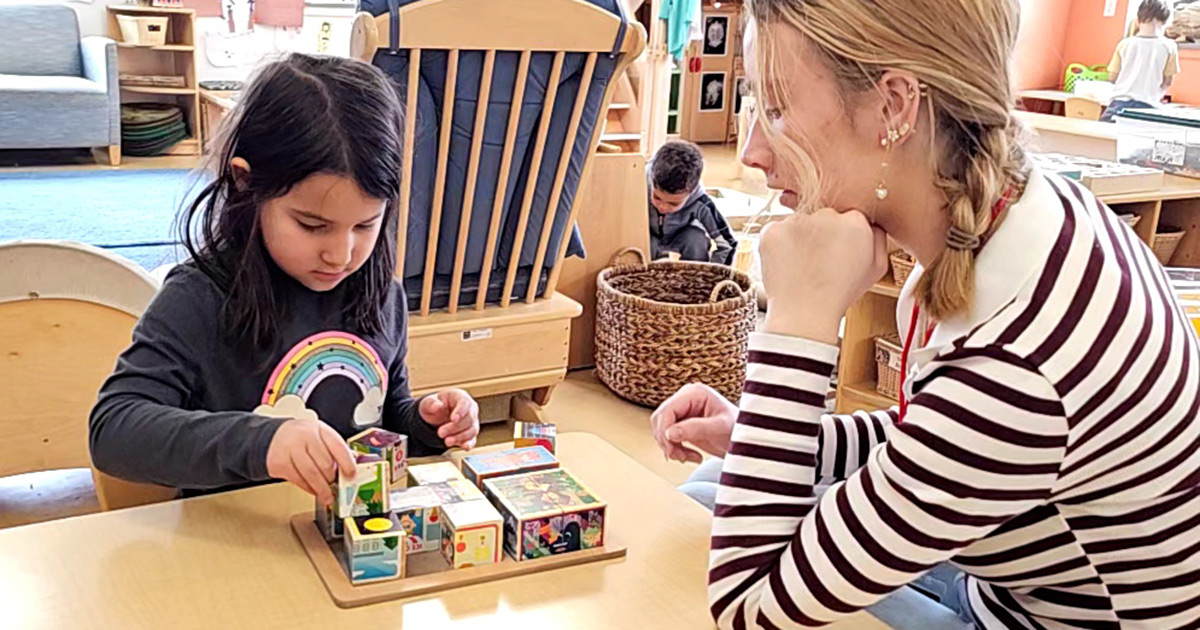
PRESCHOOL · 3 YEARS – 4K
Full of questions.
Ready to collaborate.
Projects, investigations, imaginative play, and real conversation. Teachers follow preschooler’s curiosity and help them go deeper.
Grounded in research.
Taught by people who care.
As part of UW–Madison’s School of Human Ecology, the CDL’s daily practice is shaped by ongoing research in child development, learning, and family well-being. Our teachers are qualified, experienced, and supported to stay — because consistency is one of the most important things we can offer a child.
- Consistent caregiver relationships
- Predictable daily rhythms
- Open-ended play & exploration
- Daily connection with nature
- Language & social development
- Curiosity-driven environments
Enrollment
Enrollment information for the 2026-2027 school year will be sent out in March to families on the waitlist.
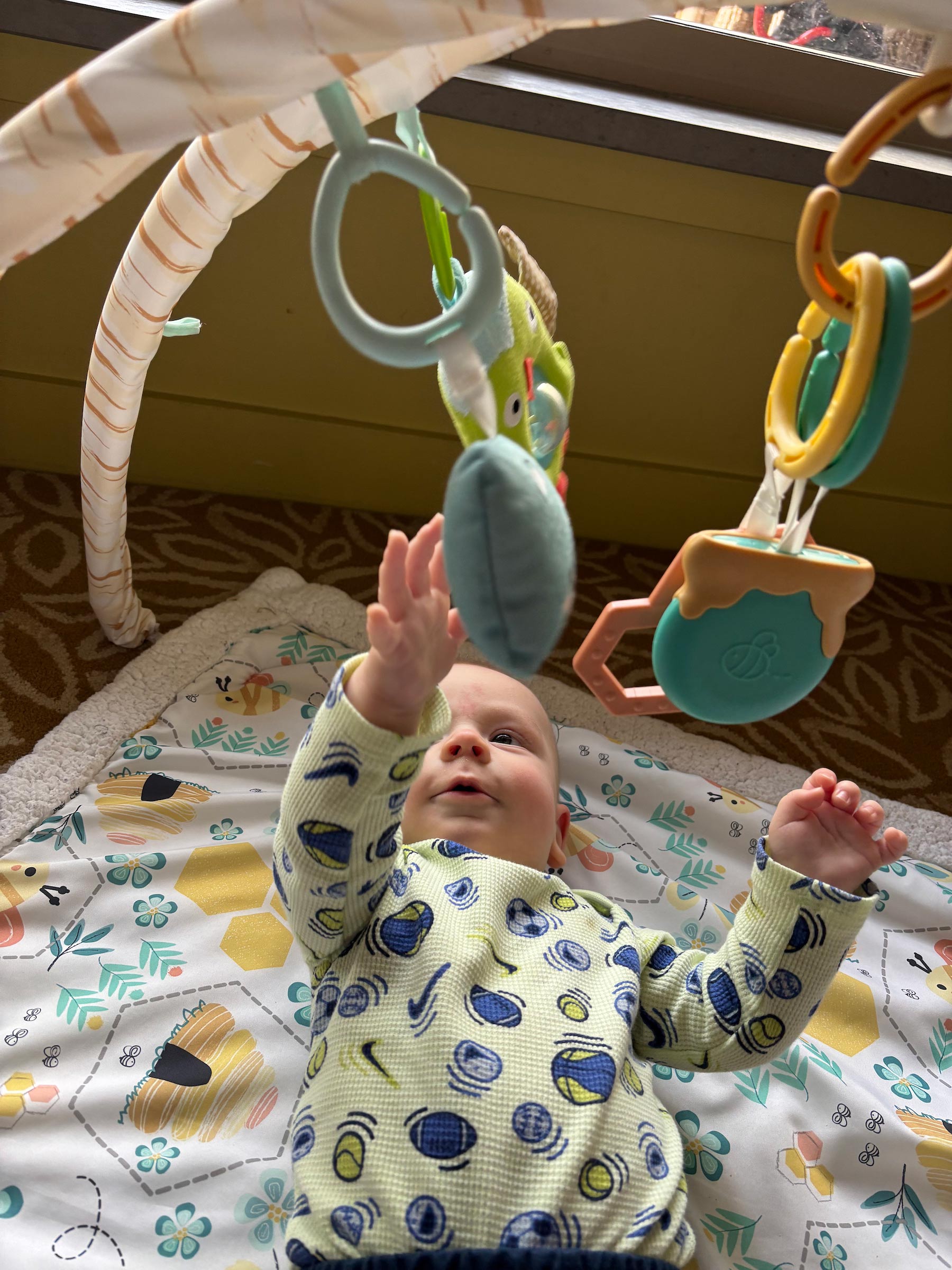
Where your child can thrive
Join a welcoming community where children feel safe, supported, and inspired to grow — guided by UW–Madison expertise.